/ Sep 30, 2026
Trending
Emonews
The Caribbean is one of the world’s most disaster-prone regions, where tropical cyclones, floods, landslides, earthquakes and other natural hazards continue to place homes, communities and economies at risk. Strengthening the way homes are built before disasters occur can help reduce damage, protect lives and property, and support faster recovery.
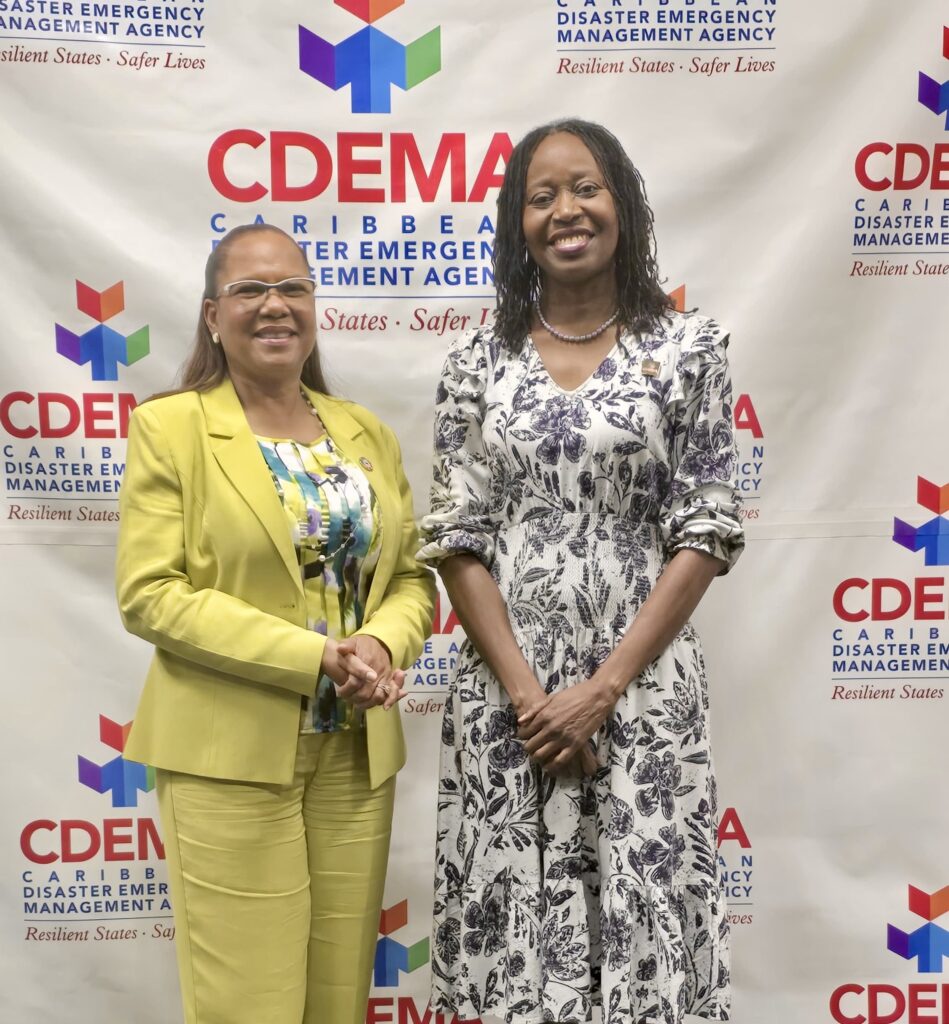
CAF – Development Bank of Latin America and the Caribbean has approved US$ 200,000 in grant funding for the Caribbean Disaster Emergency Management Agency (CDEMA) to implement the Regional Resilient Residential Construction and Reconstruction Project.
Over the next 18 months, the initiative will build on CDEMA’s existing Safer Building Programme, to help Caribbean countries strengthen residential construction by equipping builders with new skills, supporting technical training institutions and promoting the adoption of resilient building standards.
The project will focus on the people and institutions that shape the quality of residential construction, including builders, artisans, contractors and Technical and Vocational Education and Training (TVET) institutions. It will also provide training in resilient construction techniques and support TVET institutions in integrating the Regional Code of Practice for Residential Construction into their programmes. The initiative will also promote greater awareness of resilient housing standards among homeowners, financial institutions, policymakers and other stakeholders to encourage wider adoption of safer construction practices.
“Rebuilding after a disaster will always be necessary, but preparing before one strikes is where we can make the greatest difference. Resilience begins with the way residential infrastructure is designed and built,” said Dr. Stacy Richards-Kennedy, Regional Manager for the Caribbean, CAF. “This aligns with CAF’s commitment to invest not only in resilient infrastructure projects, but also in knowledge, technical capacity and practices that will serve to reinforce a culture of disaster preparedness across the Caribbean. CAF is proud to partner with CDEMA and to provide technical assistance grant funding to support this important project to build more resilient communities.”
“Every disaster reminds us that resilience is not built in the aftermath of an event, but through the decisions we make before it occurs. Strengthening the way our homes and communities are designed and built is therefore a critical investment in protecting lives, livelihoods and our development gains,” said Executive Director of CDEMA, Elizabeth Riley
She added that, “CDEMA is pleased to be working with CAF to address these challenges by strengthening resilient construction practices, building technical capacity and promoting greater disaster preparedness across the Caribbean. Partnerships such as this are critical to ensuring that our communities are better prepared to withstand the impacts of disasters and that the region’s development gains are protected”.
The Caribbean is one of the world’s most disaster-prone regions, where tropical cyclones, floods, landslides, earthquakes and other natural hazards continue to place homes, communities and economies at risk. Strengthening the way homes are built before disasters occur can help reduce damage, protect lives and property, and support faster recovery.
CAF – Development Bank of Latin America and the Caribbean has approved US$ 200,000 in grant funding for the Caribbean Disaster Emergency Management Agency (CDEMA) to implement the Regional Resilient Residential Construction and Reconstruction Project.
Over the next 18 months, the initiative will build on CDEMA’s existing Safer Building Programme, to help Caribbean countries strengthen residential construction by equipping builders with new skills, supporting technical training institutions and promoting the adoption of resilient building standards.
The project will focus on the people and institutions that shape the quality of residential construction, including builders, artisans, contractors and Technical and Vocational Education and Training (TVET) institutions. It will also provide training in resilient construction techniques and support TVET institutions in integrating the Regional Code of Practice for Residential Construction into their programmes. The initiative will also promote greater awareness of resilient housing standards among homeowners, financial institutions, policymakers and other stakeholders to encourage wider adoption of safer construction practices.
“Rebuilding after a disaster will always be necessary, but preparing before one strikes is where we can make the greatest difference. Resilience begins with the way residential infrastructure is designed and built,” said Dr. Stacy Richards-Kennedy, Regional Manager for the Caribbean, CAF. “This aligns with CAF’s commitment to invest not only in resilient infrastructure projects, but also in knowledge, technical capacity and practices that will serve to reinforce a culture of disaster preparedness across the Caribbean. CAF is proud to partner with CDEMA and to provide technical assistance grant funding to support this important project to build more resilient communities.”
“Every disaster reminds us that resilience is not built in the aftermath of an event, but through the decisions we make before it occurs. Strengthening the way our homes and communities are designed and built is therefore a critical investment in protecting lives, livelihoods and our development gains,” said Executive Director of CDEMA, Elizabeth Riley
She added that, “CDEMA is pleased to be working with CAF to address these challenges by strengthening resilient construction practices, building technical capacity and promoting greater disaster preparedness across the Caribbean. Partnerships such as this are critical to ensuring that our communities are better prepared to withstand the impacts of disasters and that the region’s development gains are protected”.
It is a long established fact that a reader will be distracted by the readable content of a page when looking at its layout. The point of using Lorem Ipsum is that it has a more-or-less normal distribution of letters, as opposed to using ‘Content here, content here’, making it look like readable English. Many desktop publishing packages and web page editors now use Lorem Ipsum as their default model text, and a search for ‘lorem ipsum’ will uncover many web sites still in their infancy.
The point of using Lorem Ipsum is that it has a more-or-less normal distribution of letters, as opposed to using ‘Content here, content here’, making
The point of using Lorem Ipsum is that it has a more-or-less normal distribution of letters, as opposed to using ‘Content here, content here’, making it look like readable English. Many desktop publishing packages and web page editors now use Lorem Ipsum as their default model text, and a search for ‘lorem ipsum’ will uncover many web sites still in their infancy.
We’re excited to introduce Emonew, Dominica’s fresh new source for general country news. From community updates to national stories, we’re here to keep you informed, connected, and up to date.
Copyright Emonews 2025